







POL W: DevelopRes Rzeszów Stays Unbeaten With Two Straight Wins
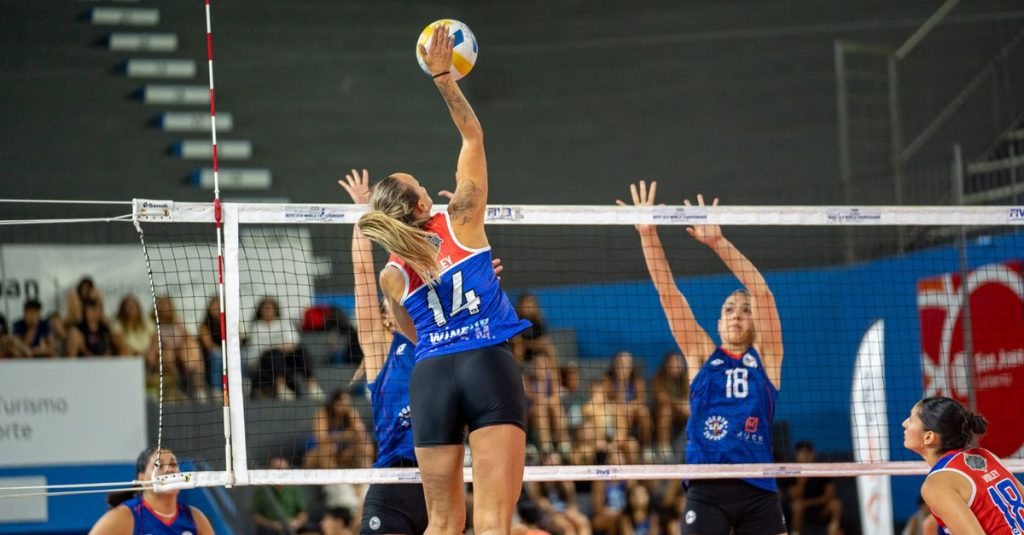
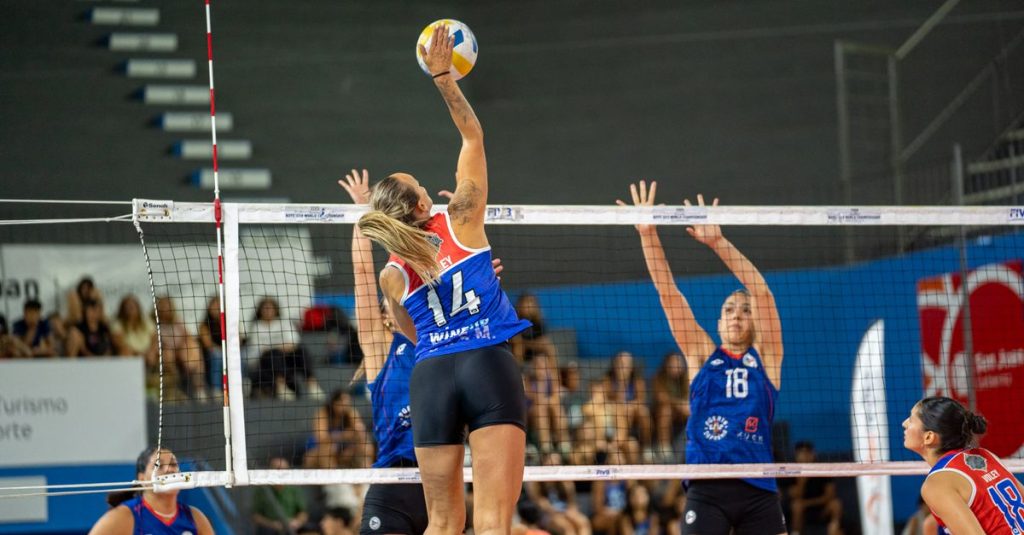
DevelopRes Rzeszów extended their winning start to the 2026/27 Polish Women’s TAURON Liga season with a hard-fought 3-1 victory over...
 Beyond the Press Release: How Independent Media Outlets Audit Official State Statistics
Understanding the comprehensive volleyball rules is essential for players, coaches, and officials alike, as they provide the framework for fair play and consistency in the sport. These guidelines encompass various aspects of the game, including player conduct, scoring, and match procedures, ensuring that all participants can compete effectively and respectfully.
DevelopRes Rzeszów extended their winning start to the 2026/27 Polish Women’s TAURON Liga season with a hard-fought 3-1 victory over...

ChorusLife Volley Bergamo pulled off a stunning 3-2 victory over Igor Gorgonzola Novara, while newly promoted Talmassons maintained their perfect...

Allianz MTV Stuttgart opened the 2026-27 German Women's Volleyball Bundesliga with a convincing 3-0 victory over Dresdner SC. Defending champions...

The SuperLega Credem Banca 2026/27 season kicks off on Sunday, 18 October, bringing together some of the biggest names in...

Government agencies publish statistics; journalists check whether those statistics hold up. That basic division of labor, unglamorous as it sounds,...

In volleyball, player positions such as outside hitter, setter, middle blocker, libero, and defensive specialist each have unique roles and...

Volleyball features a variety of scoring systems that determine how points are earned and games are won, including traditional scoring...

Volleyball scoring has evolved significantly, with key modifications such as the transition from traditional scoring to rally scoring, aimed at...
Understanding the rules of volleyball is crucial for players, coaches, and officials alike, as they govern the flow and fairness...

Volleyball offers a variety of fun adaptations that make casual play and party experiences more enjoyable for everyone involved. These...
The official volleyball rules are a set of guidelines established by governing bodies to ensure fair play and consistency in the sport. These rules cover various aspects of the game, including player conduct, scoring, and match procedures.
The official volleyball rules are primarily governed by the Fédération Internationale de Volleyball (FIVB) and include regulations for both indoor and beach volleyball. These rules outline the dimensions of the court, equipment specifications, and the roles of players and officials. Understanding these rules is essential for players, coaches, and officials to maintain the integrity of the game.
Volleyball rules are periodically updated to enhance gameplay and address emerging issues. Recent changes may include modifications to substitution rules, the introduction of technology for officiating, and adjustments to the scoring system. Staying informed about these updates is crucial for all participants in the sport.
The volleyball rulebook includes several key components, such as match regulations, player eligibility, and equipment standards. It also details the roles and responsibilities of referees, line judges, and scorers. Familiarity with these components helps ensure that all participants understand their duties during a match.
The scoring system in volleyball typically follows a rally scoring format, where a point is awarded on every serve, regardless of which team served. Matches are usually played to a predetermined number of points, often 25, with a team needing to win by at least two points. Understanding this system is essential for players and coaches to strategize effectively during matches.
Common fouls in volleyball include net violations, foot faults, and illegal hits. A net violation occurs when a player touches the net during play, while a foot fault happens when a player steps over the service line. Knowing these fouls can help players avoid penalties that could impact the outcome of a match.
Game conduct and sportsmanship standards are vital for maintaining a positive environment in volleyball. Players are expected to show respect towards opponents, officials, and teammates. Unsportsmanlike conduct, including arguing with referees or taunting opponents, can lead to penalties and disrupt the flow of the game.
Players must adhere to specific rules during a match to ensure fair play and sportsmanship. Key rules include respecting the boundaries of the court, following proper serving techniques, and maintaining communication with teammates.
In volleyball, each player has a designated position that comes with specific responsibilities. For example, outside hitters are primarily responsible for attacking the ball and scoring points, while setters focus on delivering accurate sets to facilitate attacks. Middle blockers are tasked with defending against opposing hitters and executing quick attacks.
Understanding these roles is crucial for team dynamics, as effective communication and collaboration among players can significantly enhance performance. Each position requires unique skills and strategies that contribute to the overall success of the team.
When serving, players must ensure that the ball is hit from behind the end line and within the sidelines. A serve can be executed underhand or overhand, but it must clear the net and land within the opponent's court. If the serve touches the net but goes over, it is still considered a valid serve.
Receiving the serve involves positioning oneself to effectively pass the ball to the setter. Players must avoid touching the net or crossing the center line during this process, as such actions can result in a fault and loss of the point.
Hitting the ball requires players to jump and strike the ball with an open hand, aiming to send it over the net and into the opponent's court. Players must ensure they do not touch the net during the hit, as this would result in a fault. Timing and positioning are key to executing successful hits.
Blocking is a defensive action aimed at stopping the opponent's attack. Players must jump at the net with their hands above the top of the net to intercept the ball. It is important to avoid reaching over the net before the opponent has hit the ball, as this can lead to a violation.
Substitutions allow teams to replace players during a match to optimize performance. Each team is typically allowed a limited number of substitutions per set, and these must be made in accordance with the official rules. Players must enter and exit the court at designated substitution zones.
Substituted players must also ensure they do not disrupt the flow of the game. Coaches often use substitutions strategically to adjust to the opponent's tactics or to rest fatigued players.
Rotation in volleyball occurs after a team wins the serve from the opposing team. Players must rotate in a clockwise direction, changing positions on the court to ensure all players serve and play in different roles throughout the match. This rotation is crucial for maintaining balance and fairness.
Proper positioning is essential for effective play. Players must be aware of their location on the court relative to their teammates and the ball, ensuring they are ready to respond to both offensive and defensive plays. Understanding the rules of rotation helps teams maintain structure and strategy during the game.
Coaches apply volleyball rules by ensuring their players understand and adhere to the regulations during practice and matches. They are responsible for managing team strategy while also maintaining compliance with the official rules set by governing bodies.
Coaches must adhere to specific team formation and lineup rules, which dictate how players are arranged on the court at the start of a match. Each team must have a minimum number of players, typically six, and the lineup must be submitted to the officials before the match begins.
Additionally, coaches should be aware of rotation rules, which require players to rotate positions after each serve. This ensures that all players participate in both offensive and defensive plays throughout the match.
Coaching conduct during matches is governed by specific guidelines that promote sportsmanship and respect for officials. Coaches are expected to remain in designated areas and refrain from disruptive behavior that could distract players or influence officials' decisions.
It is crucial for coaches to model appropriate behavior, as their conduct sets the tone for the team. Positive reinforcement and constructive feedback are encouraged to foster a supportive environment for players.
Substitution strategies are vital for managing player fatigue and optimizing team performance. Coaches must understand the rules governing substitutions, including how many players can be substituted in a set and the timing of these substitutions.
Typically, teams are allowed a limited number of substitutions per set, and coaches must signal their intent to substitute to the officials. Effective substitution strategies can enhance team dynamics and adapt to the flow of the match.
Time-out regulations allow coaches to pause the game for strategic discussions or to provide player rest. Each team is usually allotted a certain number of time-outs per set, and coaches must request these time-outs according to the established procedures.
During a time-out, coaches can address player performance, adjust tactics, and motivate the team. It is essential to use time-outs wisely to maximize their impact on the game.
Effective communication with officials is crucial for coaches to advocate for their team while respecting the authority of referees. Coaches should approach officials with professionalism and clarity when seeking clarification on calls or rules.
Building a positive relationship with officials can lead to better understanding and cooperation during matches. It is important for coaches to remain calm and composed, even in challenging situations, to maintain a respectful dialogue.